
Google Ads can help a local service company reach people who are actively searching for a service. But launching a campaign is not the same as generating profitable jobs. The result depends on the services you advertise, where your customers are located, the quality of your landing pages, and how quickly your team responds to inquiries.
This guide walks through the foundations of a practical Search campaign for US service businesses such as cleaning companies, HVAC contractors, remodelers, and movers. It focuses on decisions you can verify rather than shortcuts or promises of instant leads.
1. Define What Counts as a Valuable Lead
Before building a campaign, decide what you want a customer to do. For many service companies, that means a qualified phone call or a completed estimate request—not simply a website visit.
Write down which services you want to promote, which areas you actually serve, and whether your team can respond to calls and form submissions during the hours ads may run. An inquiry outside your coverage area or for a service you do not offer is not a useful result.
Choose a primary conversion that reflects a meaningful customer action. Treat secondary actions, such as clicking a phone button, as diagnostic signals unless you can verify they represent real inquiries.
2. Start With a Focused Campaign Structure
Organize campaigns around real business priorities rather than putting every service into one broad collection of keywords. A company offering duct cleaning and dryer vent cleaning may benefit from distinct groups because the searches and landing pages are different.
Begin with a manageable set of services and locations. Clear separation makes it easier to understand which inquiries come from which service and where irrelevant traffic originates.
Do not create dozens of nearly identical campaigns simply to fill an account. A small, well-monitored structure is easier to improve than a sprawling setup with little conversion data.
3. Choose Geographic Targeting Carefully
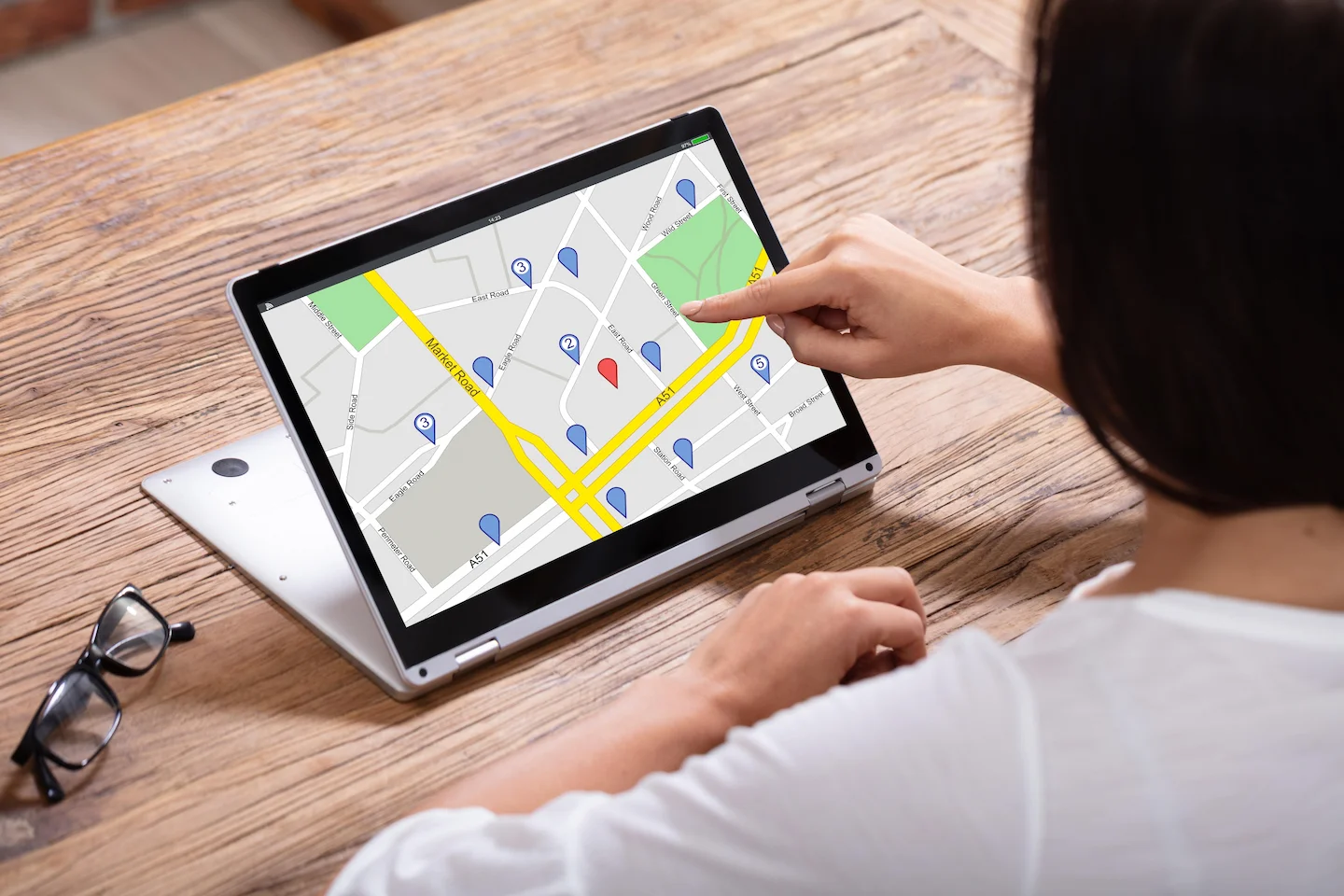
Local service businesses should align advertising coverage with where they can realistically complete work. Check the campaign’s location options and choose the setting that best fits the intended audience; options and labels can change over time.
Review whether the campaign is reaching people physically in your service area versus people merely showing interest in that location. For a local contractor, those audiences may not be equally useful.
Avoid targeting an entire state when your team serves only a handful of towns. Confirm service-area information on the landing page so visitors know whether they are eligible to request a quote.
4. Select Keywords Based on Customer Intent
Look for phrases that describe a service a customer is ready to request, such as ‘dryer vent cleaning near me’ or ‘window cleaning estimate’. Keep the language aligned with the actual service and the landing page.
Keyword match types influence how ads can match searches. Start with a deliberate strategy and inspect the search terms report where available. Match behavior and reporting features can evolve, so verify current Google Ads documentation before making assumptions.
Build a negative keyword process to exclude clearly irrelevant themes such as jobs, training, do-it-yourself instructions, or equipment rental when those do not match the business. Do not add exclusions so broadly that they block legitimate customers.
5. Write Ads That Match the Service and Destination
Strong ad copy identifies the service, relevant coverage, and a realistic next step. Use factual claims the business can support. Avoid promises such as guaranteed same-day availability unless the company can consistently deliver them.
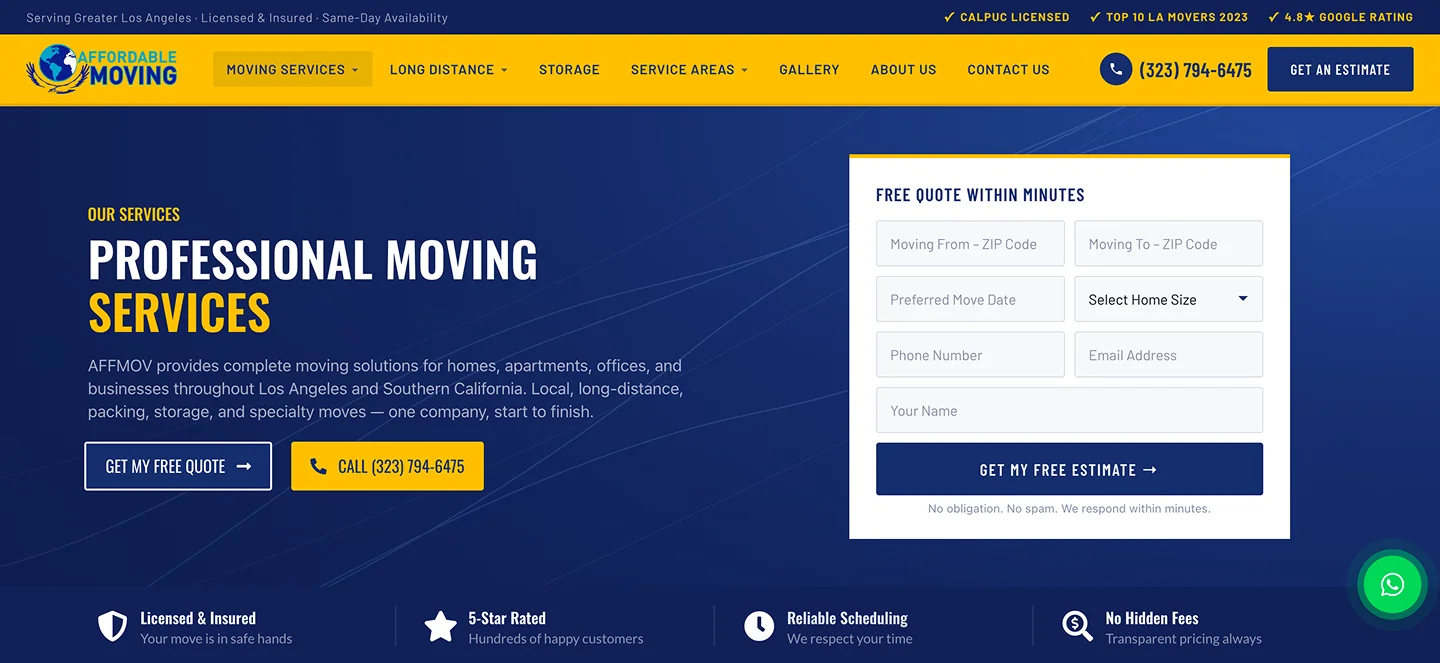
Send visitors to a page focused on the service they searched for. A generic homepage may require extra navigation, while a useful service landing page can explain the work, coverage, trust factors, and how to request an estimate.
Make sure the business name, phone number, and offer are consistent across the ad and destination. Do not use fake reviews, unverified awards, or unsupported performance claims.
6. Make Phone Calls and Forms Work Before Spending
A call-focused business should test mobile tap-to-call buttons, business hours, voicemail, and call handling. Missing a call is an operational problem that campaign optimization alone cannot solve.
Test forms end to end: submit a marked test inquiry, confirm the recipient receives it, check any CRM entry, and verify the success page or confirmation message. A form that displays a success notice but never delivers the inquiry is not ready for paid traffic.
If you use call tracking, understand what is measured. A click on a phone number is not necessarily a completed conversation. Define which events are primary conversions and avoid counting one inquiry multiple times.
7. Configure Measurement With Care
Google Ads and analytics tools can help show which campaigns lead to calls and form inquiries, but tracking must be tested. Check that tags fire only for the intended actions and that thank-you pages do not create duplicate conversions when refreshed.
Preserve relevant campaign parameters when visitors move between pages or submit forms. Where appropriate, connect advertising data with the business’s own lead records so you can evaluate inquiry quality, not just event counts.
Respect applicable privacy and consent requirements. Avoid collecting sensitive personal information in tracking parameters or sending private form contents into analytics systems.
8. Review Search Terms and Lead Quality Regularly
After launch, review search terms, service relevance, locations, device patterns, and the quality of actual inquiries. Look for patterns before making large changes based on a single day.
Check whether ads are attracting people seeking a different service, looking for employment, or living outside the business’s coverage area. Adjust keywords, negatives, landing pages, and location settings when the evidence supports it.
Ask the team handling calls which inquiries were useful. Advertising reports alone cannot always tell whether a call became a qualified opportunity or a booked job.
9. Know When to Expand—and When to Fix the Basics
Expansion makes sense when the campaign’s tracking is reliable, the team can handle additional inquiries, and you understand which services generate useful leads. Add new services or locations in a controlled way so results remain interpretable.
If clicks arrive but calls and forms do not, first check the destination page, business hours, phone routing, form delivery, and search relevance. Increasing spend before fixing those issues may simply produce more unproductive visits.
No responsible agency can guarantee a fixed number of calls, bookings, or a particular return. Performance varies with demand, competition, campaign settings, and the business’s own response process.
A Pre-Launch Google Ads Checklist
Confirm the campaign promotes services the company actually provides. Verify geographic coverage, keyword relevance, negative keyword logic, ad copy, and the destination page.
Test phone links, form submissions, conversion events, and the receiving mailbox or CRM. Confirm the team knows how to identify and follow up on leads. Review account access and ensure the business retains appropriate ownership.
Once the campaign is live, monitor results consistently and record meaningful changes so you can understand what helped or hurt performance.

Frequently Asked Questions
Are Google Ads useful for small local businesses?
They can be, especially when customers search for specific services and the business can respond to inquiries. Results depend on demand, competition, targeting, landing pages, and follow-up.
Should I advertise every service at once?
Not necessarily. Starting with a focused set of priority services can make performance easier to evaluate and help you identify what works before expanding.
Is a click the same as a lead?
No. A click indicates a visit or interaction, not necessarily a qualified call, form inquiry, appointment, or sale. Define and verify conversion actions carefully.
Can Google Ads replace SEO?
The channels serve different roles. Ads can provide paid visibility while campaigns run; SEO helps improve a site’s organic discoverability over time. Both depend on accurate, useful website content.
Build a Campaign Around Real Customer Inquiries
The best starting point is a clear service offer, accurate local targeting, a trustworthy landing page, reliable lead delivery, and a process for evaluating real inquiries.
Nabali Development works with US service businesses on Google Ads, websites, local SEO, and conversion tracking. If you are planning a campaign or reviewing an existing one, request a preliminary assessment of your website and lead flow.
Get a Free Website Audit