For a small business, the question is rarely whether SEO or Google Ads is universally better. The useful question is which channel can help you reach the right customers, at the right time, with a website that turns interest into inquiries.
Search engine optimization (SEO) helps improve how a website is understood and discovered in unpaid search results. Google Ads lets advertisers pay to show ads in eligible placements, subject to auction conditions, targeting, and campaign settings. Both can support growth, but they operate differently.
This guide explains the trade-offs without promising rankings, immediate leads, or a specific return on investment.
SEO and Google Ads: The Core Difference
SEO focuses on useful content, technical accessibility, site structure, and other signals that can help search engines discover and understand your pages. Improvements may take time to influence visibility, and performance can change as competition and search systems evolve.
Google Ads can make a business eligible to appear for relevant searches while a campaign is running. That does not mean every search will show an ad or that every click will turn into a customer. Campaign structure, relevance, bidding, landing pages, and follow-up all matter.
SEO is not free simply because you do not pay for each organic click: content, development, maintenance, and analysis require resources. Google Ads also needs management beyond media spend.
1. How Quickly Do You Need Qualified Inquiries?
If a new service business needs to test demand or reach customers searching for a specific service, a carefully scoped Google Ads campaign can provide feedback sooner than waiting for new organic pages to gain visibility.
If your goal is to build useful service content and strengthen search visibility over time, SEO deserves sustained attention. It usually requires patience, especially for a new domain or competitive market.
A practical decision may be to use ads for time-sensitive demand while building the website’s organic foundations. Neither channel fixes a poor offer or an unreliable contact process.
2. What Are Customers Actually Searching For?
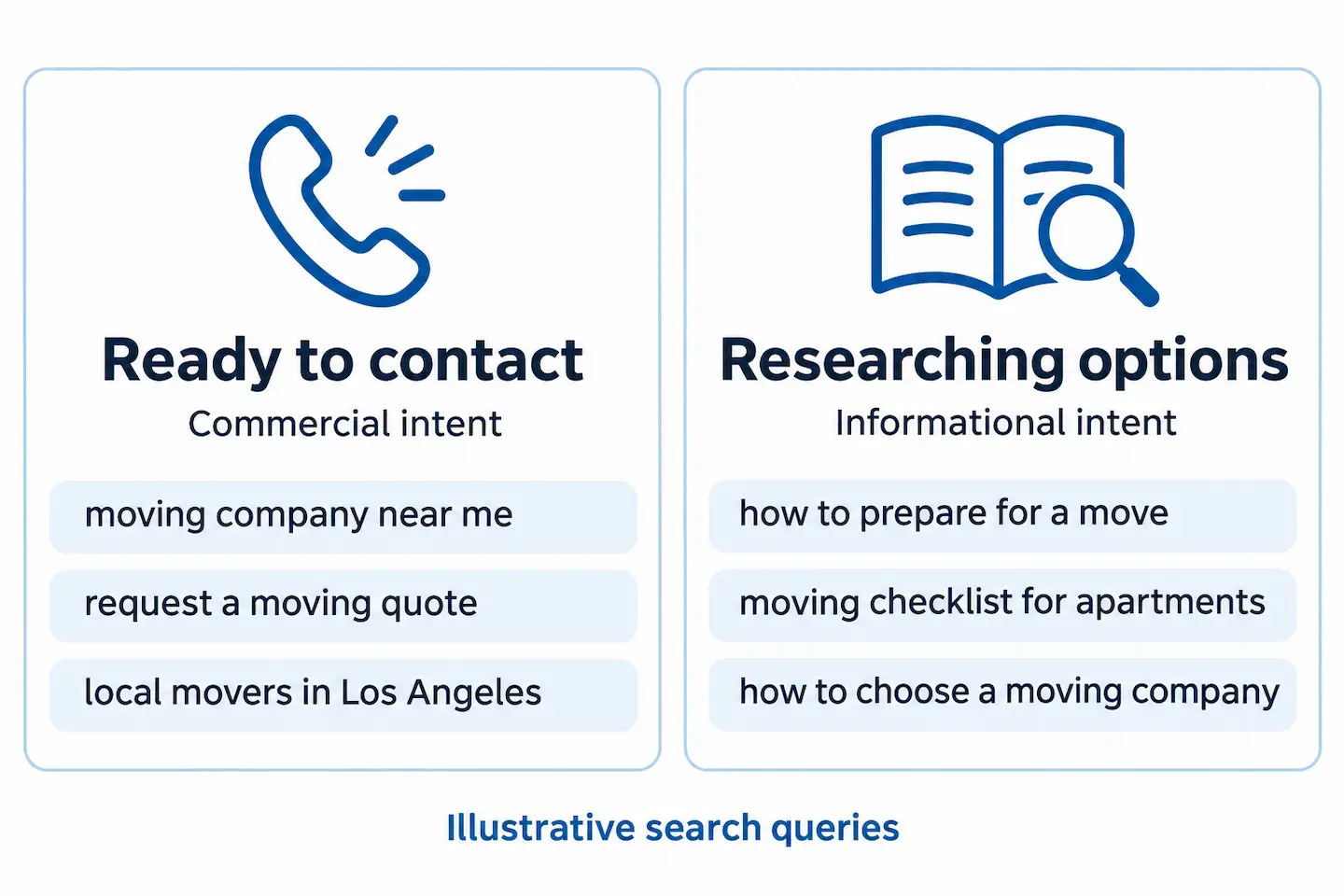
Consider the language customers use when they need your service. A homeowner searching for emergency plumbing help may be ready to call. Someone searching for the difference between two flooring materials may still be researching.
Google Ads can focus on selected commercial-intent queries and locations. SEO can address both service searches and useful informational questions through distinct pages and articles.
Do not target every keyword you can find. Prioritize searches that match services you genuinely provide and locations you actually serve.
3. What Happens After the Click?
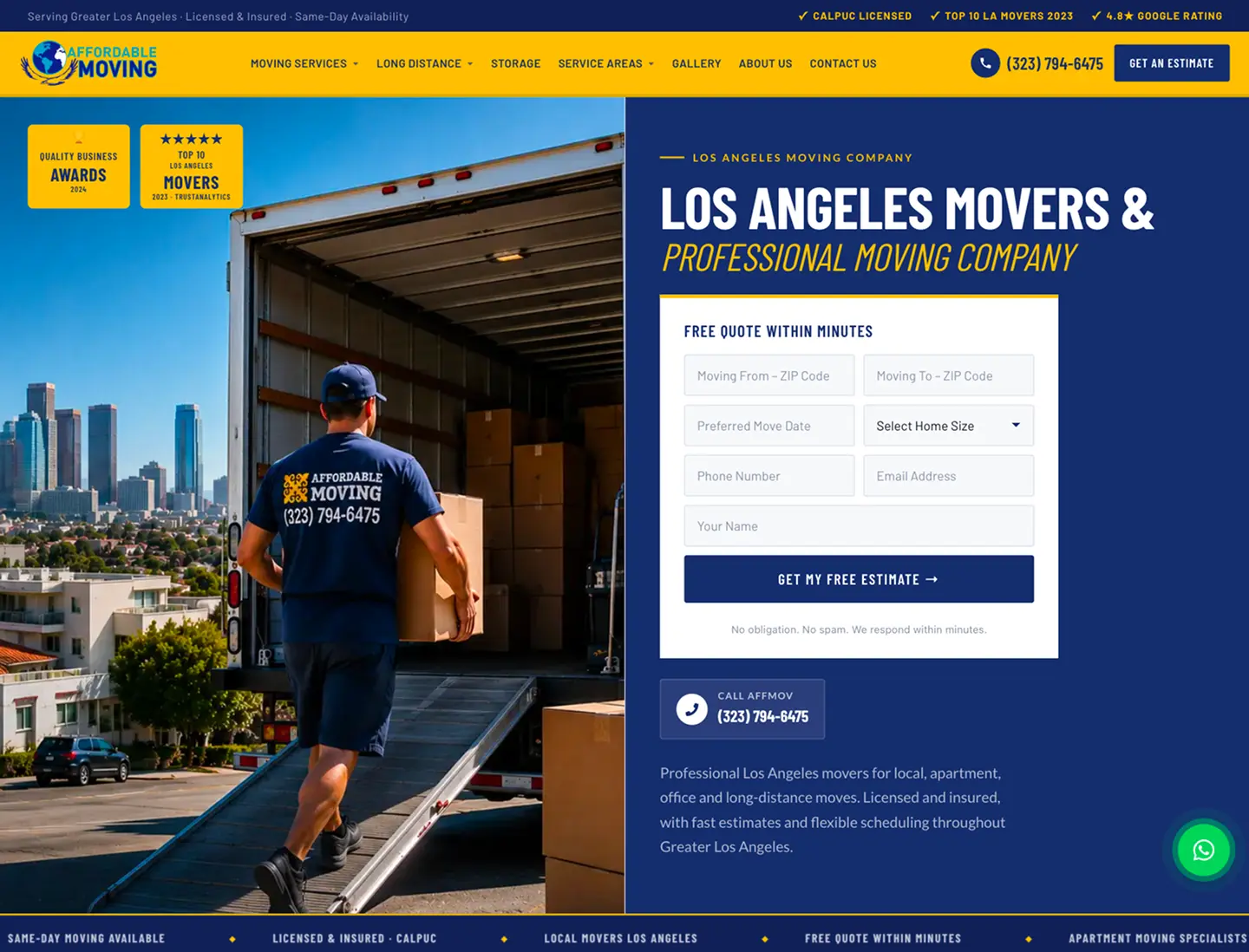
Both channels depend on the destination page. Visitors should immediately recognize the service they searched for, see the relevant location or service area, and understand how to contact the business.
Check that phone buttons work on mobile, forms deliver messages, and the page answers common objections. A dedicated campaign landing page may be appropriate for a focused offer, while organic service pages can provide deeper context and internal navigation.
If visitors arrive but rarely inquire, investigate page relevance, speed, clarity, trust signals, and form reliability before assuming the traffic channel is the only problem.
4. How Will You Measure Results?
Clicks and impressions are useful diagnostic metrics, but business decisions should also consider qualified inquiries, booked appointments, completed jobs, and the value of those outcomes when reliable records exist.
For Google Ads, review search terms where available, conversion actions, location targeting, and campaign performance. For SEO, use Search Console to understand organic search queries and landing pages, and analytics to evaluate site behavior where configured.
Call tracking and form tracking need careful setup. Avoid counting a button click as a completed lead unless that is the intended metric, and do not count the same form submission multiple times.
Compare equivalent time periods and account for seasonality. A month with more calls does not automatically prove that one marketing channel caused the increase.
5. Local Businesses Need More Than One Search Surface
Local service companies may be discovered through traditional organic results, Google Maps, Business Profiles, and paid placements. These surfaces have different requirements and reporting methods.
An accurate Google Business Profile, relevant service pages, genuine service-area information, and a reliable contact process support local discovery. Paid campaigns can complement those foundations, but should not be confused with organic map visibility.
Do not create fictional offices, keyword-stuffed business names, or duplicate city pages to chase local rankings. Accurate information and useful content are the safer long-term approach.
6. When SEO May Be the Better First Priority
Prioritize SEO foundations when your website has missing or thin service pages, confusing navigation, duplicate content, technical indexing problems, or weak information about the areas you serve.
SEO is also a sensible long-term investment when customers research services before contacting a provider and your business can publish genuinely helpful information.
Start with a site review, fix technical blockers, improve the most important service pages, and build internal links that help visitors move between related topics.
7. When Google Ads May Be the Better First Priority
Google Ads may deserve early attention when you have a clear service offer, defined geographic coverage, a working landing page, and the capacity to respond promptly to inquiries.
It can also help test which messages and service categories attract interest. However, campaigns should be monitored for irrelevant searches, wasted spend, tracking problems, and lead quality.
Before increasing spend, verify that form submissions and calls reach the business. Advertising cannot compensate for missed calls or broken lead delivery.
8. Why a Combined Strategy Often Makes Sense
SEO and Google Ads can support different stages of the same customer journey. Ads may help reach ready-to-act searchers, while useful organic content can answer questions and build understanding over time.
Insights from paid search can inform service-page language, while strong organic pages can help clarify what a landing page needs to communicate. The two channels should share consistent business information and conversion definitions.
A combined strategy is not mandatory. A small business may start with one channel and expand after its website, operations, and measurement are reliable.
A Simple Decision Checklist
Ask: Do we need inquiries soon, or are we primarily building long-term discoverability? Are our service pages accurate and useful? Can we answer calls and respond to form leads quickly? Do we know which services and locations are most important?
Then check whether tracking is trustworthy, whether the team can support ongoing content work, and whether the business has a clear process for following up with leads.
Choose the channel that best fits those realities. Revisit the decision using qualified inquiries and business outcomes rather than impressions alone.

Frequently Asked Questions
Is SEO cheaper than Google Ads?
Not necessarily. SEO does not charge per organic click, but effective work involves content, technical improvements, and ongoing analysis. Google Ads includes media spend and management. Compare the full scope and business outcomes rather than only the payment model.
Can Google Ads improve organic rankings?
Running ads does not directly purchase higher organic rankings. Advertising and organic search use different systems.
Should a new business start with SEO or Google Ads?
That depends on urgency, the website’s condition, demand for the service, and the ability to handle leads. A new business often benefits from establishing solid website and local-search foundations regardless of whether it also advertises.
How do I know whether my marketing is working?
Track qualified calls and form inquiries, confirm they reach your team, and connect them to actual appointments or jobs when possible. Review trends over comparable periods and investigate changes before drawing conclusions.
Choose a Strategy That Fits Your Business
SEO and Google Ads are tools, not substitutes for a clear offer and a functional website. Start with customer intent, realistic operational capacity, and reliable measurement.
Nabali Development helps US service businesses plan websites, SEO, local visibility, and Google Ads around practical goals. If you are deciding where to focus next, request a preliminary review of your current website and marketing setup.
Get a Free Website Audit