
Choosing a website platform can feel like a technical decision, but it starts with a business question: what do customers need to do on your site? A local service company may need service pages, a trustworthy portfolio, and an easy way to request an estimate. A product business may need a catalog, checkout, shipping options, and inventory management.
WordPress and Shopify can both support professional websites, but they approach those needs differently. WordPress is a flexible content management system that can be extended with themes and plugins. Shopify is a hosted commerce platform built around managing and selling products.
This guide compares the two without assuming that one is the best choice for every business.
Quick Answer: Choose Based on Your Primary Goal
For a service-led website with extensive informational content, custom page structures, and flexible integrations, WordPress is often a strong option. For a business whose primary task is selling products through a managed online store, Shopify is often a practical starting point.
That is a starting point, not a rule. WordPress can run an online store through WooCommerce, and Shopify can publish pages and articles. The right decision depends on workflows, team capabilities, and long-term requirements.
1. What Is WordPress Best Suited For?
WordPress is commonly used for service websites, blogs, publishing-heavy sites, and customized business websites. It allows businesses to organize pages, articles, categories, and custom content types. A broad ecosystem of themes and plugins can add forms, booking tools, e-commerce, and other functions.
This flexibility comes with responsibility. Hosting, backups, updates, security configuration, plugin compatibility, and ongoing testing need clear ownership. A poorly maintained WordPress installation can become unreliable, regardless of how attractive its design looks.
For a contractor, cleaning company, moving company, or other local service business, WordPress may make it straightforward to maintain detailed service pages and educational content while keeping inquiries as the primary conversion.
2. What Is Shopify Best Suited For?
Shopify is designed around online commerce. Its core workflows include product listings, orders, payments, inventory, and storefront management. Hosting and much of the platform infrastructure are managed as part of the service.
This can reduce the operational burden for a business that wants to focus on products and fulfillment. However, businesses still need to configure their storefront carefully, manage apps, maintain accurate product information, and test the customer journey.
Shopify can support a strong brand experience, but some highly customized content structures or unusual integrations may require additional development or specialized apps.
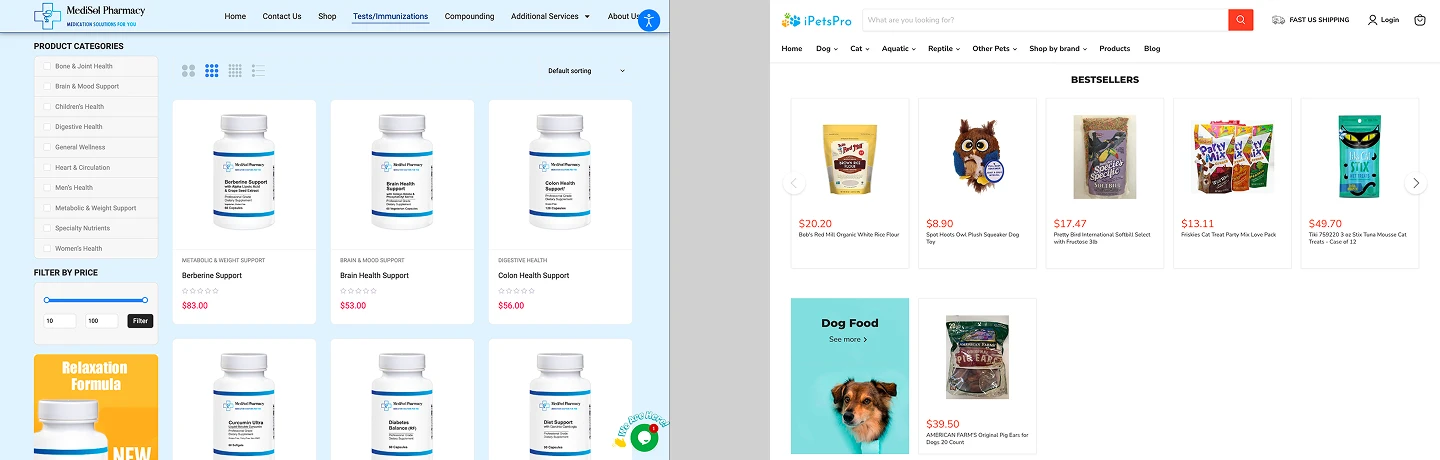
3. Selling Online: Shopify vs. WooCommerce
Shopify includes a commerce-focused administrative experience. Product management, checkout, order workflows, and many commerce features are central to the platform. The specific availability of payment methods, shipping services, and third-party integrations varies by business location, plan, and provider.
WooCommerce adds e-commerce capabilities to WordPress. It can be useful when a company needs both a content-rich WordPress site and an online store, or when specific workflows benefit from greater control over the website environment.
The trade-off is operational complexity. A WooCommerce store may require more hands-on management of hosting, updates, extensions, and compatibility. Neither option eliminates the need to test checkout, tax settings, order notifications, and fulfillment processes.
4. Content, SEO, and Local Search
Both platforms can support search-friendly websites. Neither platform automatically guarantees better Google rankings. Search performance depends on the usefulness of the content, site architecture, technical implementation, competition, and many other factors.
WordPress is particularly flexible for businesses with many service pages, location-specific content, educational guides, and custom editorial layouts. Shopify provides tools for product pages, collections, content pages, and blog posts, making it suitable for commerce-oriented content.
For local service businesses, accurate business details, genuine service-area information, clear internal links, and a well-maintained Google Business Profile often matter more than the platform logo in the website footer.
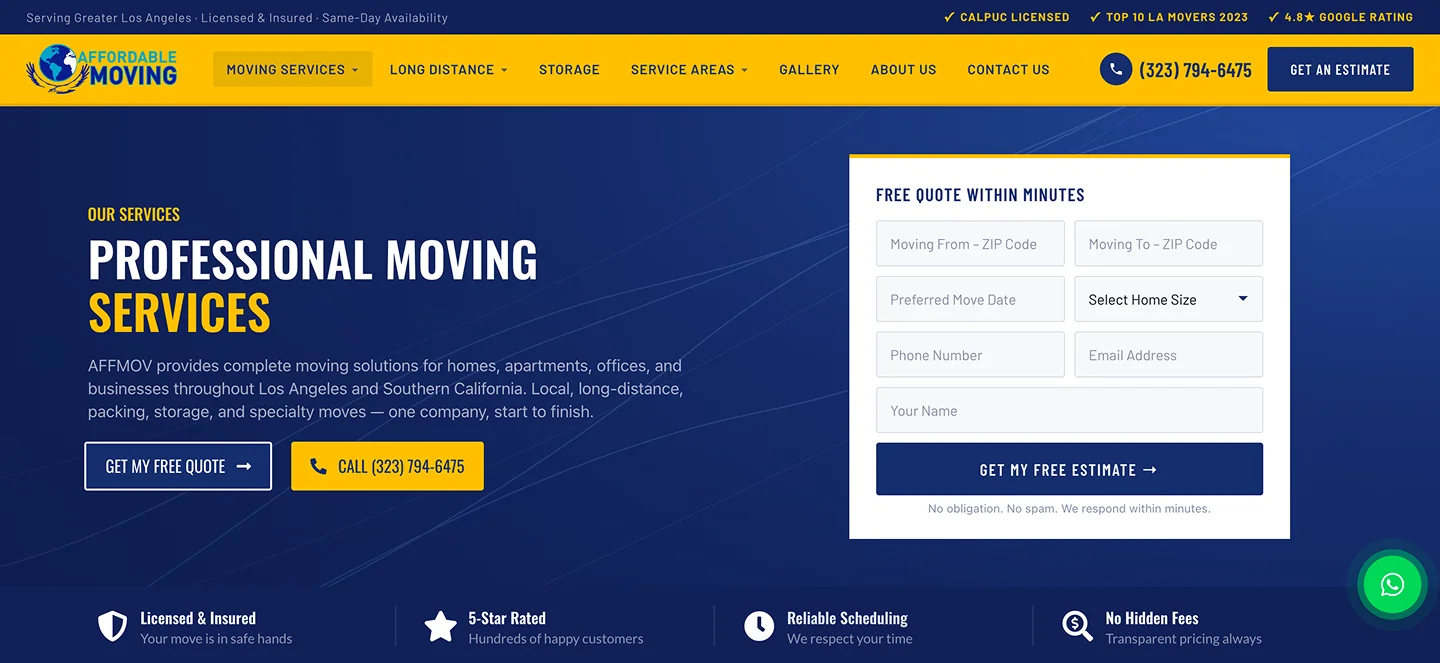
5. Design Flexibility and User Experience
Both platforms offer professionally designed themes and support customization. The important question is how much flexibility your project actually needs.
A standard business website may not need complex animations or custom software. A distinctive product configurator, unusual booking process, or specialized client portal could change the platform decision. Before committing, write down the features that are essential on launch day and those that can wait.
Regardless of platform, evaluate the real mobile experience: navigation, readability, image loading, forms, product selection, and checkout or inquiry completion.
6. Maintenance, Ownership, and Everyday Work
With WordPress, the business or its provider generally manages the hosting environment and maintenance plan. This offers flexibility but requires a clear process for backups, software updates, security checks, and troubleshooting.
With Shopify, core hosting is managed by the platform, but merchants still maintain their store content, app configurations, integrations, and operational settings. App choices and custom features can introduce ongoing dependencies.
Ask who will own the domain, which accounts the business controls, how staff access is managed, and how content changes will be handled. The easiest platform for a developer is not necessarily the easiest one for the business owner.
7. A Practical Decision Checklist
Choose the platform after answering these questions:
- Is the main goal to generate inquiries, publish content, or sell products?
- Do you need complex product, inventory, shipping, or order workflows?
- Will you publish many service, location, or educational pages?
- Which integrations are essential, and are they supported reliably?
- Who will maintain the website and train your team?
- What must be ready at launch, and what can be added later?
If the answers point to a service website with rich content and custom forms, explore WordPress. If the answers revolve around product operations and a managed commerce workflow, explore Shopify. For mixed or unusual requirements, map the user journey and integrations before choosing.

Frequently Asked Questions
Can WordPress be used for e-commerce?
Yes. WooCommerce is a widely used way to add store functionality to WordPress. Whether it fits depends on the catalog, checkout needs, integrations, and available maintenance resources.
Can Shopify be used for a service business?
It can publish service information and accept certain types of inquiries, but businesses with primarily service-led content should compare its workflows with a content-focused platform before deciding.
Which platform is better for SEO?
Neither guarantees stronger rankings. Both can be optimized. The quality of content, technical setup, navigation, internal linking, and ongoing improvements matters more than choosing a platform based on SEO claims alone.
Is it possible to migrate from one platform to the other?
Yes, but migration requires planning. Content structures, product data, URLs, redirects, integrations, and tracking should be mapped and tested before switching.
Choose the Platform That Supports Your Business
WordPress and Shopify are both capable tools. The right fit depends on what you sell, how customers interact with your business, who maintains the site, and which capabilities you need over time.
Nabali Development helps US businesses plan and develop websites, improve search visibility, and connect websites with their marketing goals. If you are evaluating platforms for a new website or redesign, we can review your requirements and discuss a practical approach.
Get a Free Website Audit