A small business website is more than a collection of pages. It can be a place where customers discover your services, evaluate your credibility, and contact your team. That is why two websites with a similar number of pages can require very different amounts of work.
If you are planning a new website or a redesign in 2027, the most useful first step is not to look for a one-size-fits-all package. It is to understand what your business needs the website to do, which features support that goal, and which responsibilities continue after launch.
This guide explains the major factors that influence the scope of a small business website project, how to prioritize features, and what to ask before requesting a proposal.
1. Start With the Website’s Business Goal
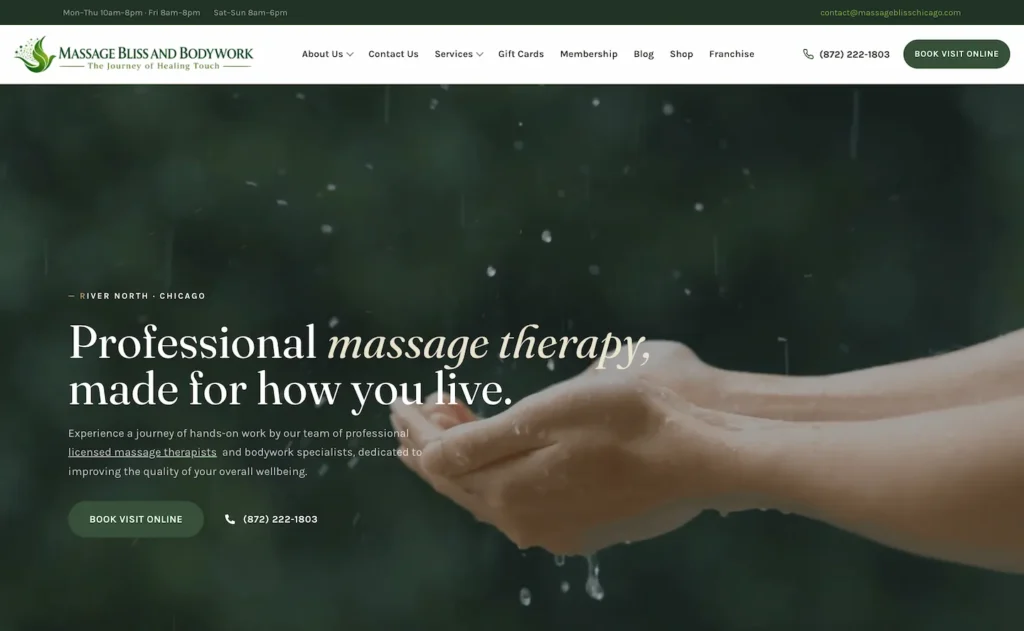
A simple brochure website and a lead-generation website may look similar at first glance, but their requirements can differ significantly. A brochure site might primarily explain your services and provide contact information. A lead-generation site also needs a clear conversion path, carefully designed forms, useful service pages, and reliable tracking.
Before discussing design, write down the action you want a visitor to take. For a contractor, that might be requesting an estimate. For a professional service business, it could be scheduling a consultation. For a retailer, it might be purchasing a product.
Once the goal is clear, decisions about content, layout, forms, and integrations become easier to prioritize.
2. The Main Factors That Shape Website Scope
Page structure. A focused website with a homepage, service overview, individual service pages, about page, and contact page has different content and design requirements from a website with many locations, products, or resource articles.
Content preparation. Original service descriptions, photographs, FAQs, case studies, and calls to action all require work. Reusing incomplete or generic content can make a website feel unfinished even when its design looks polished.
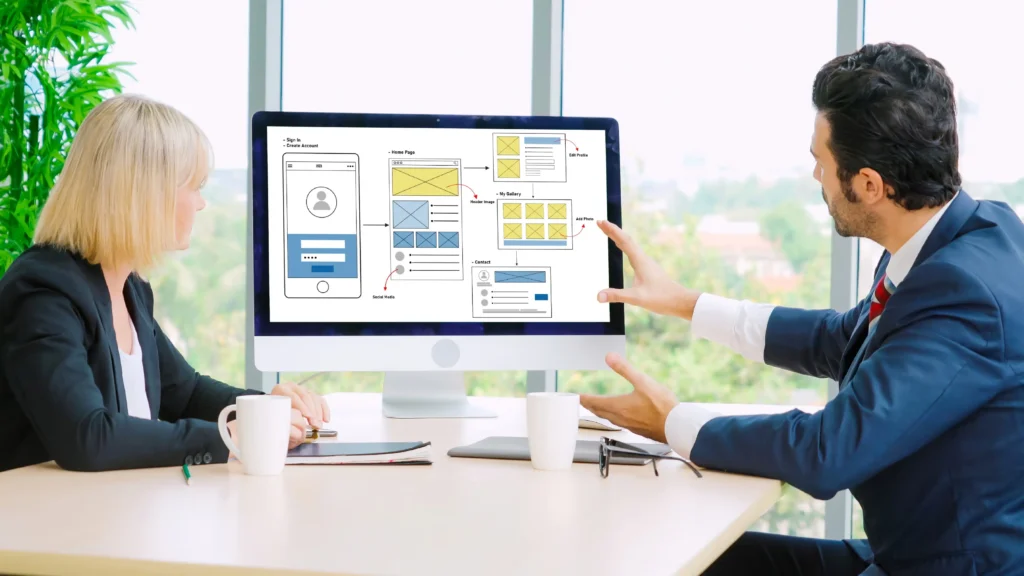
Design requirements. Adapting a proven design system is different from developing a fully custom visual language with unique interactions. Both can be appropriate; the right choice depends on brand needs and visitor expectations.
Platform and functionality. WordPress, Shopify, and custom applications solve different problems. Appointment requests, e-commerce, membership areas, multilingual content, and CRM connections can change the implementation plan.
Quality assurance. Mobile layouts, accessibility, forms, browser compatibility, performance, and error handling should be part of the project scope rather than treated as optional finishing touches.
3. Templates, Custom Design, and the Right Level of Complexity
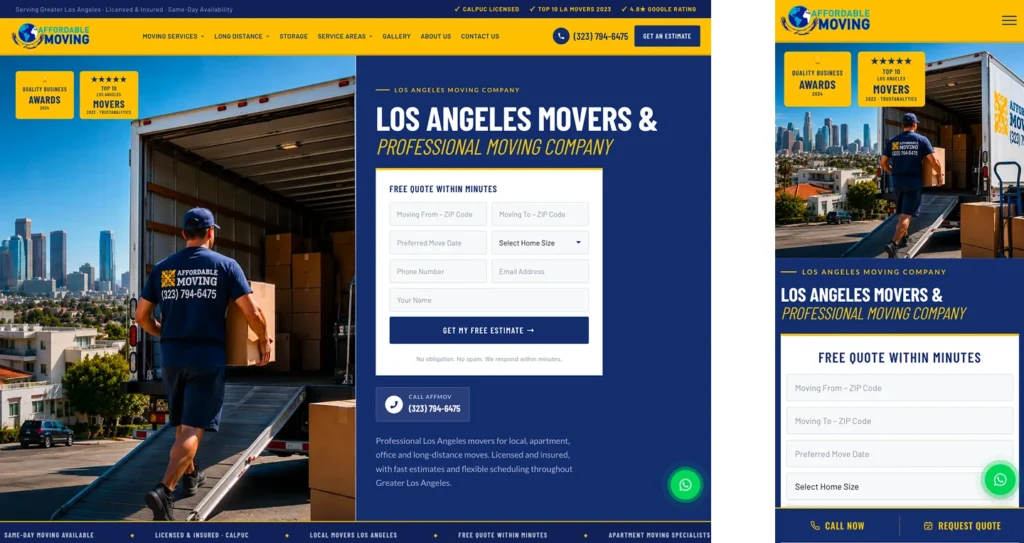
A template-based approach can be efficient when a business needs a clear, familiar structure and standard functionality. Custom design can be valuable when a brand has distinctive positioning, a complex user journey, or a need for specialized interactions.
Neither approach is automatically better. The important questions are whether the design communicates the business clearly, works on mobile devices, supports the required content, and can be maintained without unnecessary friction.
Be cautious about adding animations or interactive features simply because they look impressive in a presentation. Every element should help visitors understand the offer or take the next step.
4. Content and SEO Should Be Planned Together
A website can be visually attractive and still struggle to explain what a business offers. Useful content helps people and search engines understand services, locations, and the questions customers commonly ask.
For a local service company, this often means distinct pages for meaningful services, accurate business details, and clear descriptions of genuine service areas. Avoid creating near-identical city pages that provide little value.
Search engine optimization is an ongoing discipline. A new website should have sound foundations—descriptive titles, logical headings, internal links, indexable pages, and technical checks—but no responsible provider can guarantee rankings.
5. Forms, Tracking, and Integrations Matter
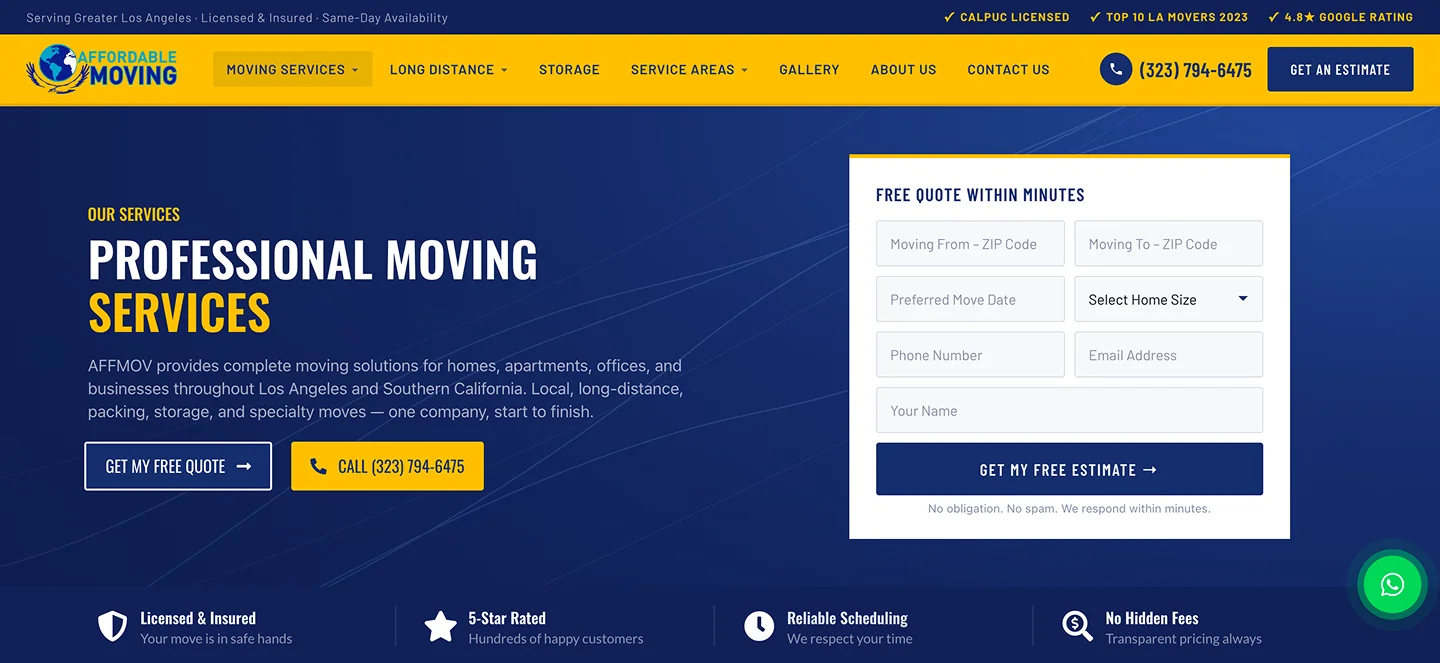
Many businesses measure a website by the inquiries it produces. A contact form should be easy to complete, validate entries clearly, and deliver submissions reliably. A phone link should work on mobile. If the website connects to a CRM, email platform, or scheduling system, those integrations need their own testing.
Analytics can help a business understand which pages attract visitors and which actions lead to inquiries. However, tracking must be configured carefully to avoid duplicate events and should respect applicable privacy and consent requirements.
Ask your developer how test submissions will be verified, who receives notifications, and what happens when a form fails. These practical questions matter more than a polished form mockup.
6. Think Beyond Launch Day
A website needs ongoing attention. Software updates, backups, broken links, content changes, and occasional integration issues are normal operational considerations.
Before launching, clarify who will manage hosting, domain renewals, backups, updates, and troubleshooting. Also confirm whether your team will be able to edit routine content without developer assistance.
Planning maintenance early helps prevent the common situation where a website launches successfully but becomes difficult to update a few months later.
7. How to Prepare a Better Website Project Brief
Start with your business goals, target customers, and the main services you want to promote. List your must-have pages and any required features, such as estimate forms, online booking, e-commerce, or CRM integration.
Collect examples of websites you like, but explain what works about them: the clarity of the navigation, the photography, the simplicity of the contact process, or the way services are organized. This is more helpful than asking a developer to copy another company’s website.
Finally, identify who will provide text, photos, brand assets, access to existing systems, and feedback during the project. Clear ownership of these inputs makes the work more predictable.

8. Questions to Ask Before Choosing a Website Partner
Ask what is included in discovery, content preparation, design, development, testing, and launch support. Request examples of comparable projects and clarify which work will be handled by the provider versus your own team.
Confirm who owns the domain, hosting account, website content, and administrative access. Ask how changes are requested, what happens after launch, and how issues will be handled.
A useful proposal should describe deliverables and responsibilities clearly. The goal is to compare the work being offered, not just the appearance of the final homepage.
Frequently Asked Questions
Does a small business need a custom website?
Not always. A well-structured site built with an appropriate platform can serve many businesses effectively. Custom development makes sense when requirements cannot be met cleanly with standard tools.
Is WordPress suitable for a local service business?
Often, yes. WordPress can support service pages, forms, blog content, and many common integrations. The implementation quality, maintenance plan, and hosting setup still matter.
Should SEO be included when building a new website?
SEO foundations should be considered from the start, including page structure, metadata, internal links, and technical accessibility. Ongoing SEO work is a separate activity that may require additional content and optimization.
What should I prepare before contacting a developer?
Prepare your business goals, service list, desired pages, examples you like, current website details if applicable, and any required integrations. You do not need a finished specification to begin a useful conversation.
Plan Your Website Around What Your Business Needs
The right website project starts with a clear understanding of your customers and the actions you want them to take. Focus on useful content, reliable functionality, and a design that supports the business—not features that look impressive but add little value.
Nabali Development works with US businesses on website development, SEO, Google Ads, and related digital improvements. If you are planning a website, we can review your goals and discuss a practical next step.
Planning a Business Website?
Tell us about your goals and the website you want to build. We’ll discuss a practical next step.
Request a Free Website Review